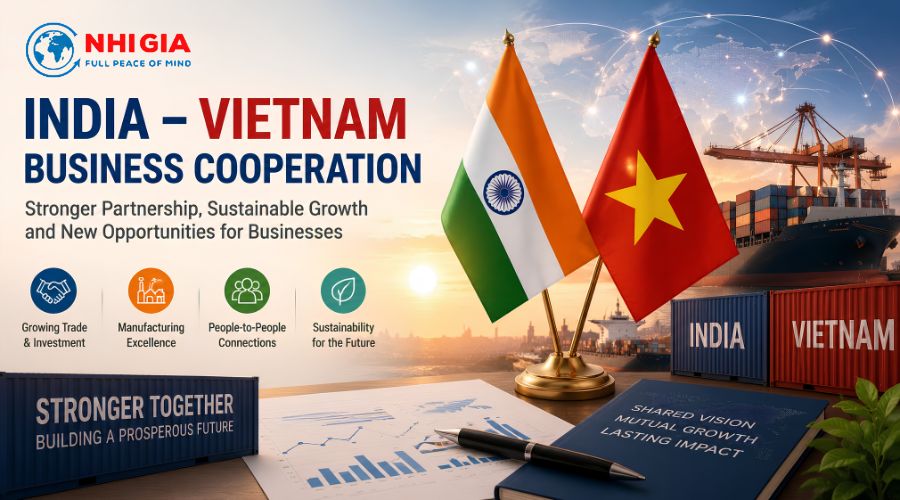
India-Vietnam business cooperation is entering a more dynamic phase, supported by growing trade, investment, manufacturing activity and people-to-people connections. As both countries strengthen their economic partnership, Indian companies operating in Vietnam are playing an important role in connecting production, consumer markets, brand development and sustainable business practices across the region.
The recent visit of His Excellency Mr. Tshering W. Sherpa, Ambassador of India to Vietnam, and Dr. Vipra Pandey, Consul General of India, to Marico SEA’s food manufacturing plant reflects this broader trend. The visit was not only a diplomatic engagement, but also a signal of the growing role of Indian enterprises in Vietnam’s manufacturing and consumer goods landscape.
During the visit, Marico SEA shared its business journey, its growing presence in Southeast Asia, its product portfolio and its commitment to delivering quality products to consumers across the region. The delegation also toured the factory to experience the company’s manufacturing operations firsthand, followed by a tree-planting activity that symbolised a shared commitment to sustainability and long-term growth.
For businesses, this type of engagement shows how India-Vietnam cooperation is moving beyond trade numbers. It is increasingly connected to factories, brands, supply chains, people, sustainability and cross-border business operations. As Indian and Vietnamese companies work more closely together, the need for international mobility, foreign experts, legal documentation and compliant immigration planning will become more important.
India-Vietnam trade is creating stronger business links
Vietnam and India have built a strong economic relationship across trade, investment, manufacturing, agriculture, pharmaceuticals, technology, energy, consumer goods and services. With bilateral trade continuing to expand, companies from both countries are looking for new ways to cooperate, invest and grow.
For Vietnamese businesses, India is not only a large market, but also a source of raw materials, technology, consumer brands, pharmaceuticals, industrial inputs and business partnerships. For Indian companies, Vietnam offers a strategic manufacturing base, access to Southeast Asian markets, a growing consumer economy and a business environment increasingly connected to global supply chains.
This is why factory visits, business delegations and diplomatic-commercial engagements matter. They help companies build trust, understand each other’s operations, explore investment opportunities and identify practical ways to cooperate.
In sectors such as food manufacturing, FMCG, personal care, consumer goods and industrial production, long-term business cooperation often requires more than one shipment or one contract. It requires on-site operations, management teams, technical staff, brand development, quality control, supply chain coordination and local market understanding.
Manufacturing is becoming a key part of India-Vietnam cooperation
Manufacturing is one of the most important areas where India-Vietnam business cooperation can develop further. Vietnam has built strong manufacturing capabilities in electronics, textiles, food processing, consumer goods, packaging, logistics and industrial production. Meanwhile, Indian companies have strengths in consumer brands, pharmaceuticals, chemicals, technology, food products, personal care and industrial services.
When Indian companies operate factories or regional production facilities in Vietnam, they contribute not only capital, but also management systems, production know-how, brand strategy and regional supply chain development. This creates opportunities for local employment, supplier development, technology transfer and higher standards in production.
The Marico SEA factory visit is an example of how manufacturing cooperation can become more tangible. A factory is not just a production site. It is where investment, workforce development, sustainability, quality management and regional business strategy come together.
For foreign-invested manufacturers in Vietnam, cross-border coordination is often part of daily operations. Senior managers, technical experts, quality specialists, regional executives and brand teams may need to travel between countries to support production, training, audit, product development and business planning.
This naturally creates demand for well-prepared immigration and documentation processes.

FMCG and consumer goods create long-term market opportunities
Fast-moving consumer goods, food products and personal care are important sectors in Vietnam’s growing consumer economy. As income levels rise and consumer preferences become more diverse, international and regional brands have more opportunities to expand in Vietnam and across Southeast Asia.
For companies like Marico SEA, growth is not only about selling products. It is also about understanding local consumers, building trusted brands, ensuring product quality, managing distribution networks and maintaining efficient manufacturing operations.
The Ambassador’s recognition of familiar brands such as Parachute and X-Men also highlights an important point: brands can carry cultural memory, consumer trust and regional identity. For Indian companies operating in Vietnam, this creates a bridge between Indian business heritage and Vietnamese consumer markets.
As FMCG companies expand, they may need cross-border support in many areas: brand management, product development, quality control, supply chain operations, marketing strategy, regional leadership and factory management. Some of these functions may involve foreign professionals working in Vietnam for short or long periods.
This is where companies need to pay attention not only to business strategy, but also to the legal and administrative side of international staffing.

Foreign experts and managers in Vietnam: why documentation matters
When foreign-invested companies expand manufacturing operations in Vietnam, they may need to bring in foreign experts, managers or technical specialists. These professionals can support production planning, plant operations, product quality, brand management, training, compliance, supply chain coordination or regional business strategy.
If a foreign professional enters Vietnam only for a short business meeting, factory visit or internal discussion, the documentation requirements may differ from a long-term assignment. However, when the person directly works in Vietnam, the company needs to review the appropriate visa, work permit or work permit exemption confirmation, depending on the role, duration and working arrangement.
For long-term assignments, a temporary residence card may also become relevant. This helps foreign managers, technical experts or senior personnel stay in Vietnam more stably, instead of relying only on short-term visa arrangements.
The key point is that companies should not treat all foreign visits the same. A factory visit, a short business meeting, a technical training assignment and a long-term management role may each require different documentation.
Work permits for foreign experts in manufacturing and FMCG
In the manufacturing and FMCG sectors, foreign experts may be involved in several types of work: production management, quality assurance, R&D, technical training, machinery installation, supply chain coordination, marketing leadership, brand management or regional operations.
If these activities are considered work in Vietnam, the host company should review work permit requirements or possible exemption categories under the applicable regulations on foreign workers in Vietnam. This process usually requires the company to clarify the foreign worker’s position, professional qualifications, experience, expected working period and place of work.
Professional documents can be a major part of the file. Degrees, certificates, experience letters, appointment decisions, criminal record checks and other overseas-issued documents may need consular legalization and certified translation before being submitted in Vietnam.
For companies with production schedules and factory operations, delays in work permit preparation can affect training plans, quality audits, plant operations or project timelines. This is why immigration planning should be included in the workforce plan, not treated as an afterthought once the expert has already arrived.
Temporary residence for foreign managers and senior staff
Foreign managers, executives and technical specialists working in Vietnam for a longer period may need stable residence arrangements. A temporary residence card can help foreign personnel stay in Vietnam for a longer period under the appropriate category and travel in and out of the country more conveniently during the validity of the card.
For foreign-invested companies, this can be important for business continuity. A senior manager may need to oversee operations for several years. A regional executive may need to travel frequently between Vietnam and other markets. A technical specialist may need to remain in Vietnam until a production line, factory expansion or product launch is completed.
In these cases, companies should review the full chain of documentation: entry visa, work permit or exemption confirmation, temporary residence card, passport validity, local sponsor documents and residence registration. If family members accompany the foreign employee, additional documents such as marriage certificates or birth certificates may also be required and may need legalization and translation if issued overseas.
A stable residence plan helps both the company and the foreign employee avoid unnecessary interruptions.
Cross-border documents in India-Vietnam business cooperation
As India-Vietnam business cooperation grows, companies may need to use official documents across borders. These documents may include company registration certificates, board resolutions, appointment letters, powers of attorney, contracts, product documents, technical certificates, personal records, professional qualifications or family documents.
If an India-issued document needs to be used in Vietnam, or a Vietnam-issued document needs to be used in India, the company should check whether consular legalization, notarisation, certified translation or other formalities are required.
For manufacturing companies, cross-border documents may support investment, factory operations, work permit applications, internal appointments, technology transfer, product registration, supplier agreements or business contracts. For FMCG companies, documents may also relate to brand authorisation, distribution agreements, quality certificates and regional business arrangements.
Incomplete or inconsistent documentation can slow down business processes. A missing legalization step, an incorrect translation or inconsistent information between documents may create unnecessary delays. Yes, bureaucracy remains undefeated, somehow. But preparing documents properly is still much cheaper than fixing them after the project timeline starts burning.

Sustainability and people development are becoming part of business value
The tree-planting activity during the Marico SEA factory visit also reflects a broader theme in modern business cooperation: sustainability. Investors, consumers, partners and governments increasingly expect companies to show responsibility toward the environment, people and long-term development.
In manufacturing and FMCG, sustainability may include responsible sourcing, energy efficiency, waste reduction, packaging improvement, workplace wellbeing, employee development and community engagement. These are no longer just public relations topics; they are becoming part of how companies build trust with consumers, partners and authorities.
The Ambassador’s message that organisations grow through their people is also relevant to foreign-invested companies in Vietnam. Business growth depends not only on factories and products, but also on trained teams, empowered employees and strong management systems.
For foreign companies, this may create more demand for cross-border training, leadership development, technical coaching and internal knowledge transfer. In practice, some of these activities may involve foreign trainers, managers or experts entering Vietnam, which again brings immigration and documentation planning into the business picture.
What should companies prepare when expanding India-Vietnam cooperation?
Companies should first define the purpose of cross-border activity. Is the company sending executives for a factory visit, assigning a technical expert to Vietnam, transferring a manager, organising training, signing business documents or supporting a long-term investment project? Each purpose may require a different documentation approach.
If Indian professionals come to Vietnam, the host company should review the suitable visa category, work permit requirements, temporary residence needs and supporting documents. If the person will only attend meetings, the file may be different from a long-term assignment at a factory or office.
If Vietnamese representatives travel to India for business meetings, market visits, trade events or partner discussions, they may need to prepare an appropriate business visa application, invitation letters, company documents, itinerary and proof of business purpose.
If official documents are used across borders, companies should check early whether consular legalization, certified translation or notarised copies are needed. This should be done before the documents are required for submission, not when the deadline is already standing behind everyone with a clipboard.
For companies with frequent cross-border movement, it is also useful to maintain a tracking system for visas, work permits, residence cards, passports, appointment documents and family documents. This helps avoid disruptions when personnel need to travel or renew documents.
How Nhi Gia supports companies in India-Vietnam business cooperation
As India-Vietnam business cooperation continues to grow across manufacturing, FMCG, trade, investment and sustainable development, companies will need stronger support for business mobility, foreign personnel and cross-border documentation.
Nhi Gia supports companies, foreign-invested enterprises and business professionals with documentation and mobility services related to international business activities. These services may include Vietnam visa support for foreigners, work permits, work permit exemption confirmation, temporary residence cards, consular legalization, certified translation, outbound business visa support and corporate air ticketing.
For Indian companies operating in Vietnam, Vietnamese companies working with Indian partners, or foreign experts entering Vietnam for manufacturing, FMCG or business projects, Nhi Gia can assist in reviewing document requirements, preparing supporting files and coordinating suitable solutions based on each specific case.
With experience serving corporate clients, Nhi Gia helps businesses stay more proactive when receiving foreign experts, sending delegations abroad, managing long-term assignments or preparing official documents for cross-border use.
Frequently asked questions about India-Vietnam business cooperation and documentation
Why does India-Vietnam business cooperation create demand for international documentation?
As companies expand across trade, manufacturing, FMCG and investment, they often need foreign experts, business travel, contracts, appointment letters, legal documents, work permits, temporary residence cards, certified translations and consular legalization.
Do Indian experts working in Vietnam need a work permit?
If an Indian expert directly works in Vietnam, the host company should review whether a work permit or work permit exemption confirmation is required. The answer depends on the role, working duration, assignment structure and applicable regulations.
Can foreign managers in Vietnam apply for a temporary residence card?
Foreign managers, experts or senior personnel working in Vietnam for a longer period may be eligible for a temporary residence card under the appropriate category if they meet the required conditions.
Do India-issued documents need legalization for use in Vietnam?
India-issued documents may need consular legalization and certified translation before being used in Vietnam, depending on the type of document and the purpose of use.
What should Vietnamese companies prepare for business trips to India?
Vietnamese companies should prepare the appropriate visa application, invitation letter, company profile, meeting schedule, business purpose documents, traveller information and travel arrangements.
Sources: UK in Vietnam; Ministry of Industry and Trade of Vietnam; UK Export Finance; Government News; updates on UK-Vietnam trade, education and energy cooperation in 2026.